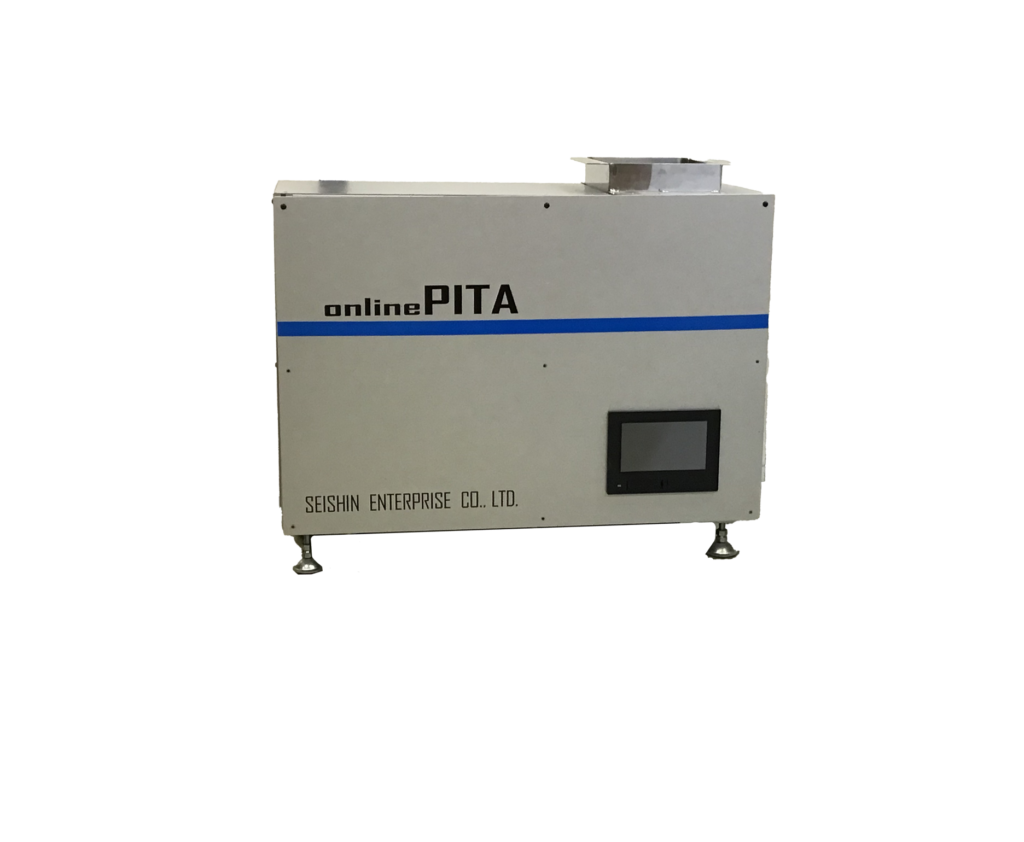




In the highly regulated environment of pharmaceutical manufacturing, ensuring product quality and 粒子形状測定 patient safety is paramount. Even the smallest contaminant can compromise the integrity of a medication, potentially leading to life-threatening adverse events. One of the most effective advancements in maintaining sterile conditions and minimizing contamination risks is the implementation of particle imaging alerts. These systems use advanced imaging technology to identify and categorize particulate threats as they occur, offering a dynamic defense mechanism that goes far beyond intermittent environmental checks.
Traditional methods for monitoring particulate matter in cleanrooms often rely on infrequent surface swabbing, which provide only isolated data points. These methods are delayed in response and may miss transient contamination events that occur between sampling intervals. Particle imaging alerts, by contrast, continuously monitor the environment using AI-driven image recognition engines. These systems can recognize particles down to 1 micron in size, attribute particle movement to specific operational variables, and initiate automatic notifications at predefined risk levels.
The real power of particle imaging alerts lies in their ability to offer visual provenance. When an alert is triggered, operators can review high-definition capture logs, their location, and the environmental conditions at the time of detection. This visual data allows for immediate diagnostic evaluation. For example, if a contaminant aggregation appears at a seal interface, it may indicate inadequate sterile attire protocol or compromised barrier integrity. If particles appear close to aseptic dispensing equipment, the system can link contamination to machine cycles or human movement, helping to validate or refute hypothesized contamination pathways.
Integration with building management and manufacturing execution systems enhances the utility of these alerts further. Smart protocols can be triggered to pause production lines, reconfigure HVAC settings, or activate targeted sanitization robots when real-time risk scores exceed safe parameters. This reduces the likelihood of compromised units entering distribution, saving time, resources, and, most importantly, preventing potentially harmful products from reaching patients.
Moreover, particle imaging systems generate comprehensive audit trails that support compliance with ICH Q7 and EU Annex 1 requirements. Unlike paper-based records or infrequent monitoring, these systems provide real-time, granular, and forensically sound documentation. This level of documentation not only streamlines regulatory audits but also reinforces a culture of scientific rigor by demonstrating a commitment to science-based, data-driven control strategies.
Training and culture also benefit from these systems. By offering concrete examples of procedural failures, operators gain a clearer understanding of how their actions impact the environment. This leads to higher compliance with PPE standards, better housekeeping practices, and a institutionalized quality mindset. Workers are no longer relying on abstract standards—they can see the consequences of their behavior and adopt precise corrective behaviors.
Implementing particle imaging alerts does require capital expenditure on hardware, software, and change management. However, the return on investment is compelling. Lower waste, enhanced compliance, reduced liability, and stronger patient outcomes collectively justify the expenditure. In an industry where a single contamination event can result in millions of dollars in losses and irreparable reputational damage, the value of prevention is incalculable.
As pharmaceutical manufacturing continues to evolve toward AI-enabled production ecosystems, particle imaging alerts represent a critical step forward in contamination control. They transform passive monitoring into active, intelligent safeguarding, ensuring that every dose produced meets the highest standards of purity and safety. The future of pharmaceutical quality lies not just in complying with guidelines, but in anticipating risks—and particle imaging alerts are a indispensable asset for the next era of safe drug manufacturing.