





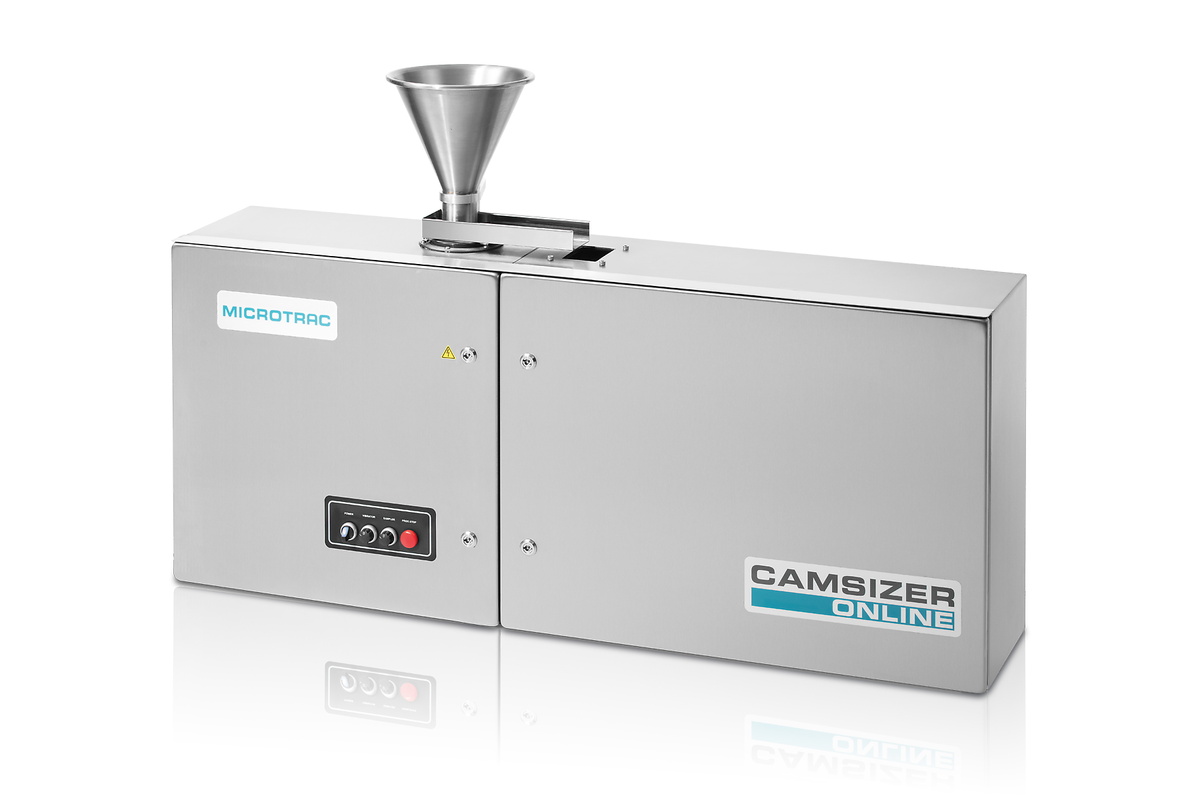
Leveraging imaging data for predictive maintenance of particle generation equipment represents a significant advancement in industrial efficiency and operational reliability
These systems—critical to pharma, chipmaking, and high-precision material synthesis—are vulnerable to subtle changes in nozzle condition, flow dynamics, or component alignment
Failure to identify these irregularities early can result in financial losses, regulatory noncompliance, or defective output that fails quality control thresholds
Older maintenance paradigms—whether calendar-driven or emergency-reactive—lack the foresight needed to prevent degradation before it impacts operations
Modern setups combine crisp visual capture with intelligent pattern recognition to identify minute irregularities and anticipate failure long before they manifest
Imaging systems installed on particle generators capture visual and thermal data from critical components such as nozzles, spray chambers, and flow regulators
High-frame-rate cameras monitor spray geometry down to micrometer variations, while IR arrays identify thermal anomalies arising from mechanical stress or obstructed pathways
Through algorithmic analysis, raw images become quantitative indicators—tracking symmetry of dispersion, erosion of nozzle openings, and temporal shifts in temperature distribution
Establishing reference models from pristine or freshly serviced units allows any drift to be flagged as an early warning signal of deterioration
Machine learning models, particularly convolutional neural networks and anomaly detection algorithms, are trained on vast datasets of labeled and unlabeled imaging data
They detect indicators like microfractures in nozzle surfaces, skewed spray angles, or turbulent flow structures that signal incipient mechanical fatigue
Over time, the system becomes more adept at distinguishing between normal operational variation and true degradation signals
Even a minor 3% loss in nozzle diameter may not alter output immediately, but the imaging platform alerts maintenance teams prior to hitting the critical 10% degradation point that renders particles noncompliant
The integration of imaging data with other sensor inputs—such as pressure, flow rate, and vibration—further enhances predictive accuracy
Multisensor fusion algorithms synthesize disparate inputs into one unified health score, offering a complete picture of system integrity
Teams can now focus on high-risk units instead of adhering to rigid timetables, minimizing wasteful swaps and prolonging component longevity
Additionally, historical imaging records serve as a diagnostic archive, enabling engineers to trace the progression of failures and refine future predictive models
Implementation requires careful calibration and environmental control
Optimal lighting, adequate resolution, and intelligent sampling rates are essential to capture meaningful data without overburdening storage or processing capacity
Local edge processors handle initial image analysis, minimizing delays and cutting the need for high-bandwidth data transmission
Centralized cloud systems collect insights from numerous units to detect patterns across the production fleet, supporting coordinated preventive actions
The return on investment is both significant and measurable
Post-deployment metrics show downtime reductions of 40% and equipment longevity extended by 25% on average
Tighter control over particle dimensions reduces scrap rates and lowers the chance of regulatory violations
Technicians transition from firefighting to innovation, 粒子径測定 dedicating time to optimization and process enhancement
With falling costs and easier deployment, visual predictive maintenance is now essential—not optional—for competitive manufacturing
Visual diagnostics evolve from passive observation to a core strategic tool that enhances reliability and competitiveness
Organizations that invest in this integration today will not only avoid costly failures but will also set new standards for precision, reliability, and operational intelligence in advanced manufacturing